0
0,00 $
No products in the cart.

 By Admin
Get the full interview below.
An early promotional line said “making a game Marvelous has never made before while still retaining that unique Marvelous flair.” What would you say are the defining characteristics of Marvelous and its titles?
Time-travel seems to be a difficult thing to write. Is it a challenge to avoid the story getting too complex or full of paradoxes?
Higuchi: “In Eternal Anima, players travel through time strictly as part of the main story, which helps us avoid potential contradictions and time paradoxes. Also, by having players experience each continent first in the past and then in the present, we can more clearly convey the story’s theme of legacy.”
It seems time-travel will be a component of gameplay, not just the story, like with Wade’s Psychometry ability to predict enemy behavior. Will there be any other gameplay components involving time travel?
Higuchi: “As you point out, our story incorporates changing the past, and our battle system incorporates changing the future. Wade’s special ability, Psychometry, also allows him to inherit wisdom in the form of classes and abilities of past heroes when interacting with old relics. This is another progression mechanic that makes use of the passage of time.”
The game has been described as having retro charm with modern design (or “inspired by ‘golden-age RPGs,’ designed with modern sensibilities”). What sort of modern design philosophies are employed?
Higuchi: “To make the game more approachable for different types of players, we have included features such as difficulty settings and an option to speed up battles. We aimed to both create the JRPG that we want to play and create a game that a wide range of people could enjoy.”
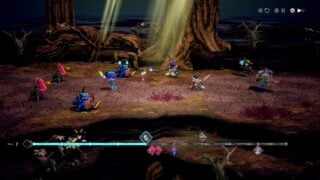
Wade’s time ability lets him see into the future to predict enemy behavior. What things can you do with this knowledge?
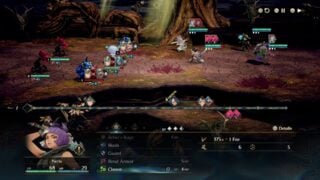
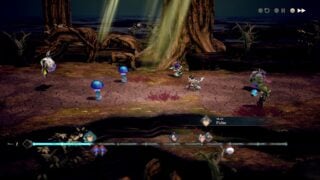
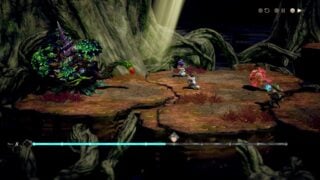
Higuchi: “In Eternal Anima‘s Future Sight Battles, you can see in advance when enemies will attack, what attacks they will use, who will take damage, and how much. Players see the results of enemy actions before choosing their own actions, so they can counter their enemies’ efforts to change the future outcome of the turn. For example, if a powerful enemy attack will kill a party member, players can focus on defeating that enemy first to make sure that damage never happens and their party member survives. This is a straightforward example, but I believe that Future Sight will allow players to experience a kind of deep strategy that they haven’t seen before in other JRPGs.”
In addition to his Psychometry ability, Wade can learn new jobs / classes. Do other characters have special abilities specific to them?
Higuchi: “Characters other than Wade gain more abilities as they level up. One unique case is the character M.O.S, as you can swap out his parts to customize him into various configurations. Other characters can be customized by choosing which abilities to use. Each character’s play style changes dramatically depending on which abilities you equip and in what order. Different players use different tactics against the same enemies, so I think it will also be fun to see how other players approach each encounter.”
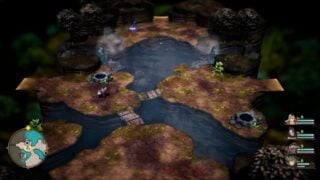
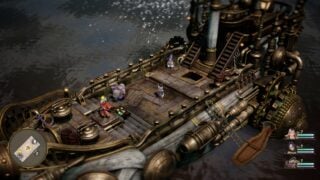
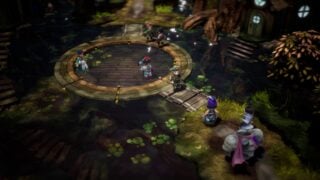
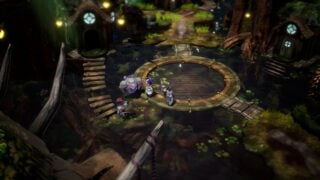
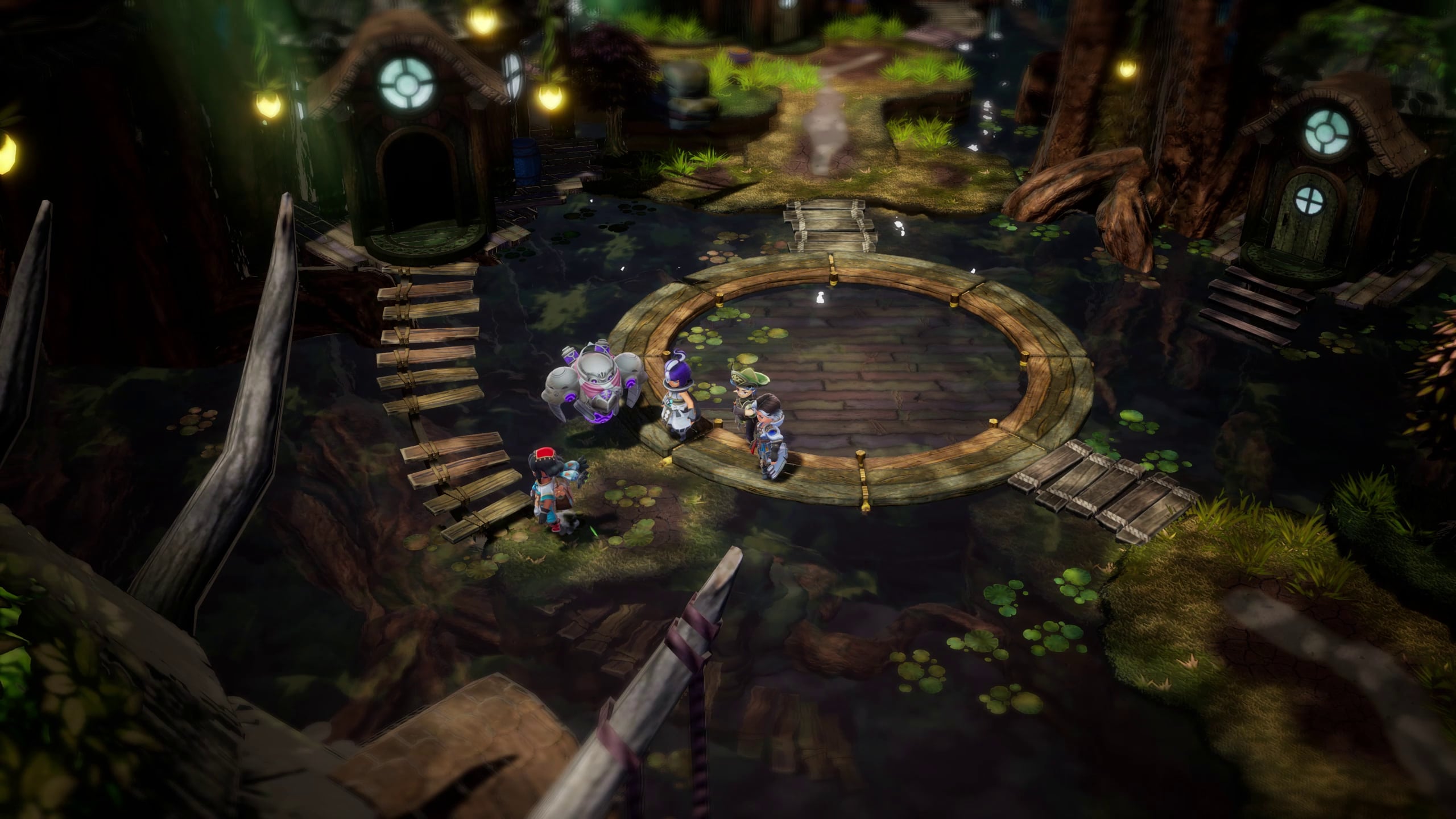
Eternal Anima has four continents along with a central city. How do you go about designing locales to feel different and make interesting or believable fictional cultures that differentiate the places?
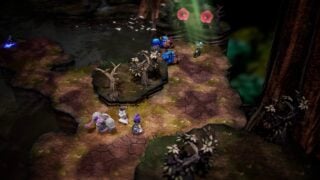
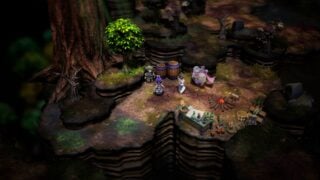
Higuchi: “We associated each of the four continents with a different season: spring, summer, autumn, or winter. This may be another instance of that distinctive Marvelous touch, but the seasons ultimately served to inform characteristics of the people living in each continent. It helped create their identity.”
Eternal Anima was initially introduced as at the gallery.

PLAYHABIBI.COM Is a New Site focused on bringing games such as PC/PS5/XBOX/ account digital and keys as well, plus streaming service at lowest price on the market