0
0,00 $
No products in the cart.

 By Admin
Recently, I had the chance to visit
Going into this preview, I should mention that I have not played any previous Vanillaware titles—including Muramasa: The Demon Blade
for
I started by testing out the controls to get a feel for the movement mechanics, like checking whether holding the jump button versus tapping it altered jump height (it does not!), or if mid-air direction changes were possible (they are!).
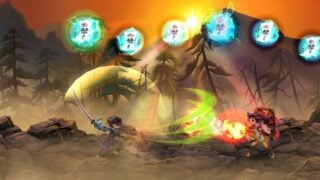
The demo starts out pretty simple: you run to the right and dispatch enemies in your path, much like an 8- or 16-bit side-scroller. Some encounters lock the screen until every enemy is defeated, while later areas allow you to run past enemies entirely.
Combat feels fluid, with various movement options and abilities. You can dash, dodge, jump, and execute combo strings both on the ground and in mid-air. Additionally, each weapon has its own special, super-style move.
Most enemies encountered during my one-hour session were easy enough to manage with basic attack strings and light dodging. Later on, however, straw-hat samurai enemies appear that require blocking to defeat. While relying solely on spamming the attack button would make the game too repetitive, having to stop and wait for enemy strikes to block did slow down the pacing of battle. Veterans of the series may be able to confirm if additional techniques unlock later to deal with these foes faster. Control-wise, the inputs for blocking and jumping felt close enough that I occasionally jumped by mistake, which led to my untimely doom on a few occasions.
I also encountered a boss named “Blue Monk,” but being an early-game encounter, he did not put up much resistance. Notably, you can land hits continuously—unlike some games that only let you get in a certain number of hits before the boss gains invincibility frames until they “recover.”
Weapons lose durability as you fight, dealing reduced damage as they degrade and requiring you to swap between weapons. Switching between equipped weapons and using items via quick button prompts feels smooth and responsive. Personally, I would prefer mechanics that incentivize weapon swapping for positive reasons—such as using certain abilities or unique weapon-switch-related combos—rather than forcing a switch through damage penalties. Without added combat perks for swapping, the mechanic feels less like an engaging feature and more like a distraction during intense fights, where your focus is split until you realize your reduced damage demands a switch.
After a fairly linear start, the game opens up into multiple branching paths, much like a Metroidvania. Environments include villages, caves, and beaches. A map can be used to find your way around, filling in areas as you visit them, and complete with an objective icon guiding you to the next main objective.
Near the end of my time with the demo, I rushed ahead to see how far I could get before time expired. I stumbled into a maybe-winnable battle against a horde of straw-hat samurai enemies, while entirely out of healing items and resources. While grinding does not seem strictly necessary in this game, fighting basic enemies to stockpile resources before tough battles is definitely helpful. That said, players with sufficient skill should be able to push through most mandatory fights regardless.
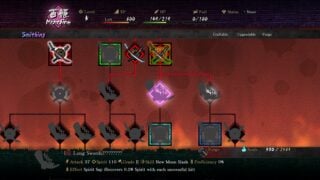
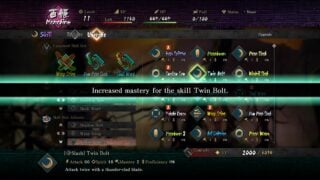
While I reiterate that I have not played any of the previous releases, certain additions are notable, like the ability to master a weapon skill and equip it independently of the weapon itself. Overall, the game controls intuitively and feels smooth to play. While the art style isn’t personally my preference, I encountered no bugs or major technical issues. Fans of the genre, and of Muramasa—a game locked to platforms that are no longer very easily accessible—will likely find a lot to enjoy here.
Muramasa: Revenant Blades is due out for at the gallery.

PLAYHABIBI.COM Is a New Site focused on bringing games such as PC/PS5/XBOX/ account digital and keys as well, plus streaming service at lowest price on the market